
Alloy Bar Wear Parts
Why the alloy bar
Three reasons operators spec the alloy bar composite.
A CA-Alloy 60 composite costs about 1.4 times a plain manganese casting and delivers about twice the wear life — the extra spend on the part comes back twice over in the chamber.
The alloy is developed in-house for crusher duty and checked in laboratory tests and running parts. Hardness, toughness and wear life sit in the same class as a typical TiC bar composite — with test records and site cases to back it.
Moulds are 3D-printed and machined in our own workshop, and the wear bars are ours too — so bar shape, size, spacing and density follow your part, not a standard catalogue.
Our alloy bar vs a TiC alloy bar
Same bar layout, wear performance in the same class — at about three-quarters of the price.
Take a TiC composite part of the same layout as 100. Our alloy bar composite lands around 75.
58–61 HRC, bending strength around 1940 MPa, impact toughness above a typical TiC bar. In hard, abrasive duty the two parts behave in the same class.
Both the wear bars and the manganese matrix are controlled by the same plant, so part-to-part variation stays small — a steady chamber profile and consistent product output.
| Item | Typical TiC bar / composite | CA-Alloy 60 composite |
|---|---|---|
| Alloy bar layout | Same pattern | Same pattern |
| Relative price, same layout | 100 | about 75 |
| Hardness | 60–62 HRC | 58–61 HRC |
| Bending strength | ~1900 MPa | 1940 MPa |
| Impact toughness | ~8.1 J/cm² | 9.0–12.0 J/cm² |
| Density | ~6.10 g/cm³ | 7.54 g/cm³ |
| Hard phase in the part | 30–50% by weight | about 1–2.5% |
| Preform form | Rod only | Rod, block or network |
| Matrix | High manganese steel | High manganese steel |
Laboratory data for the alloy itself, not field service guarantees. Patented in China (CN106282835B). Relative price compares parts of the same layout and fitment; final pricing depends on part weight, cavity and quantity.
TiC or alloy bar — how the wear face comes back
Parts returned from site service, same duty, two composite systems.
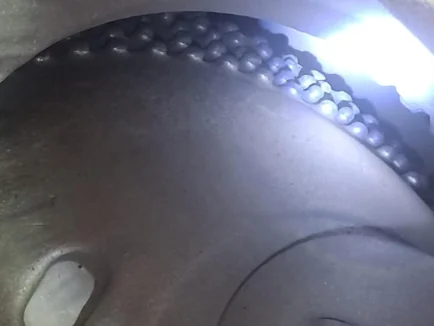
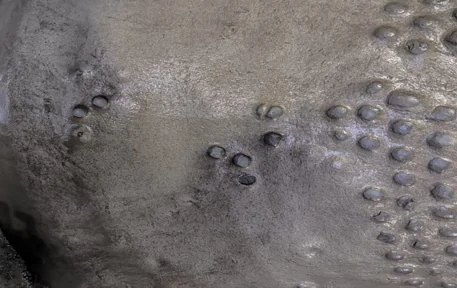
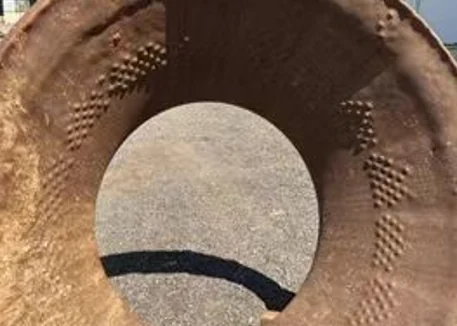
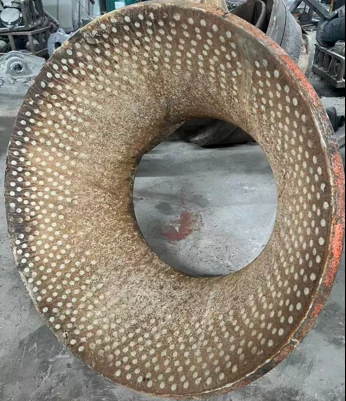
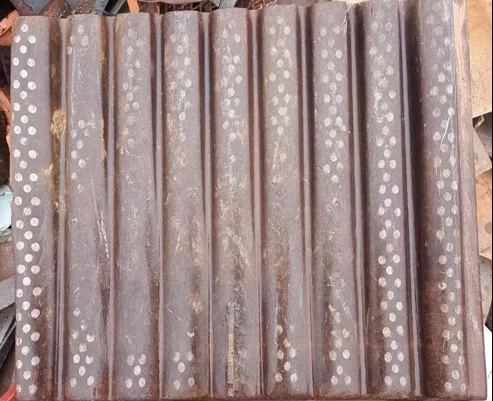
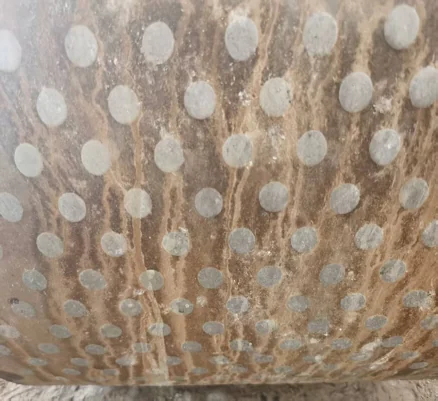
Photographs of parts returned from site service. Comparison conditions vary by site; we document every trial so the result is your own number, not ours.
3D-printed patterns, machined moulds
Every mould starts life as a printed pattern, then is machined and assembled in our own workshop — process, machining and finished tooling, all in-house.
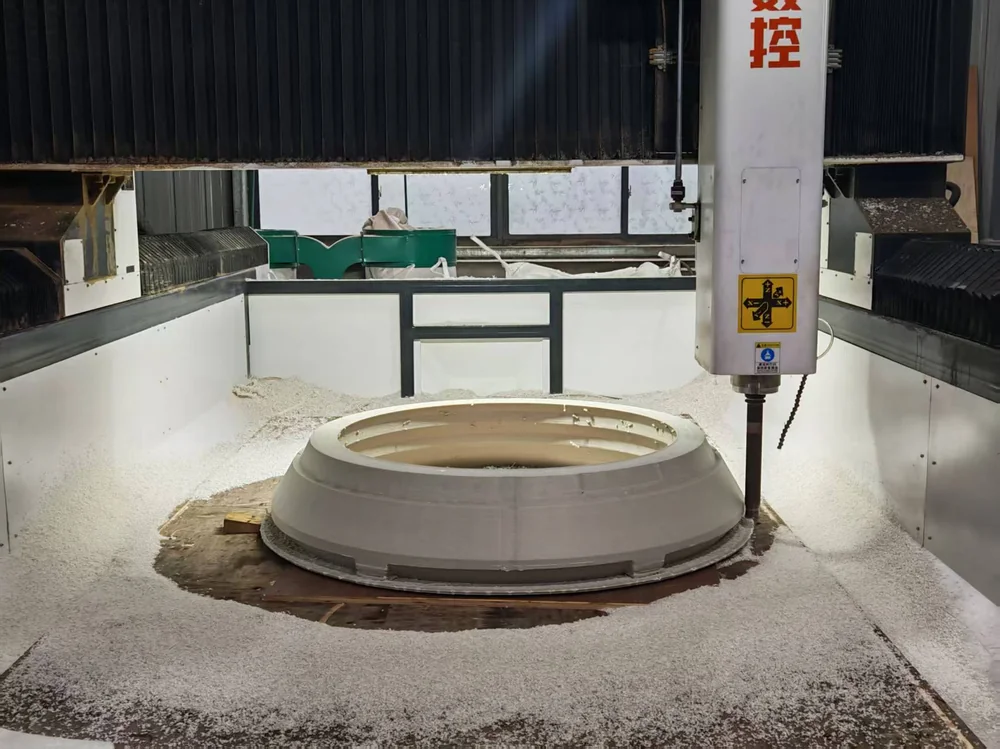
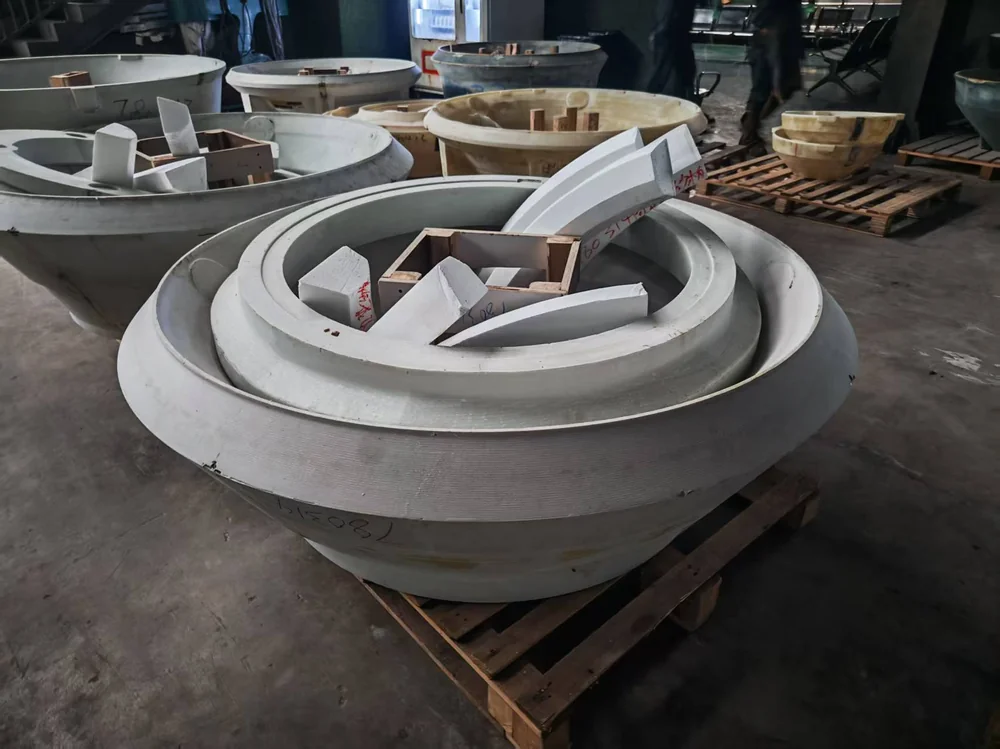
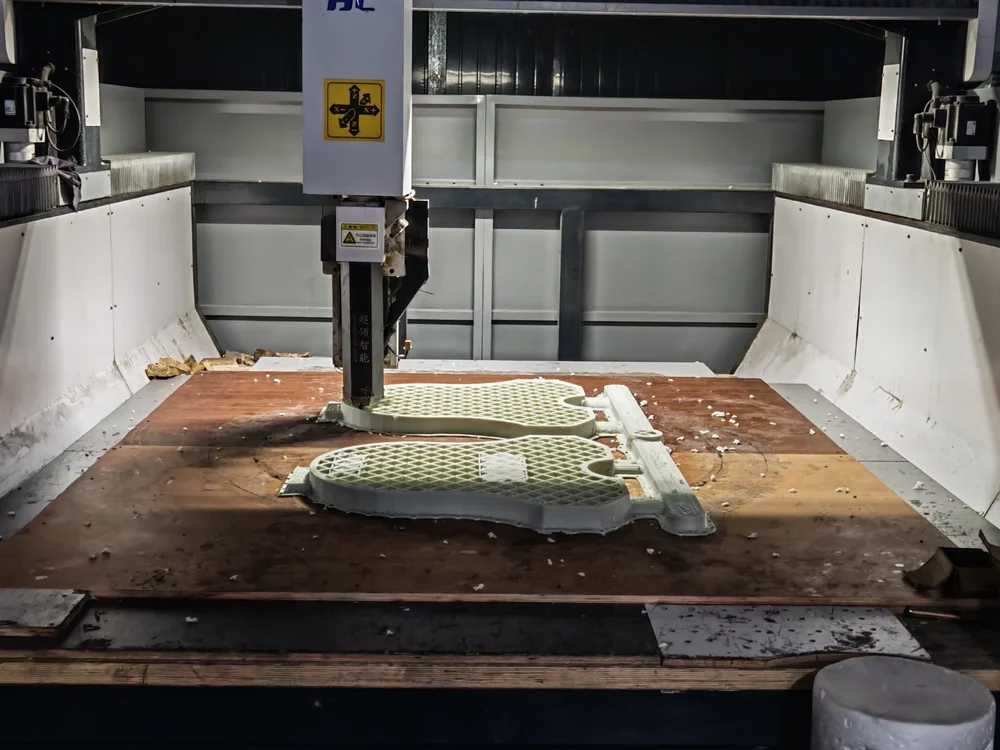
Because tooling is made in-house this way, standard parts carry no mould charge, and a new model goes from drawing to first casting in days, not weeks.
Bar layout — dense by design
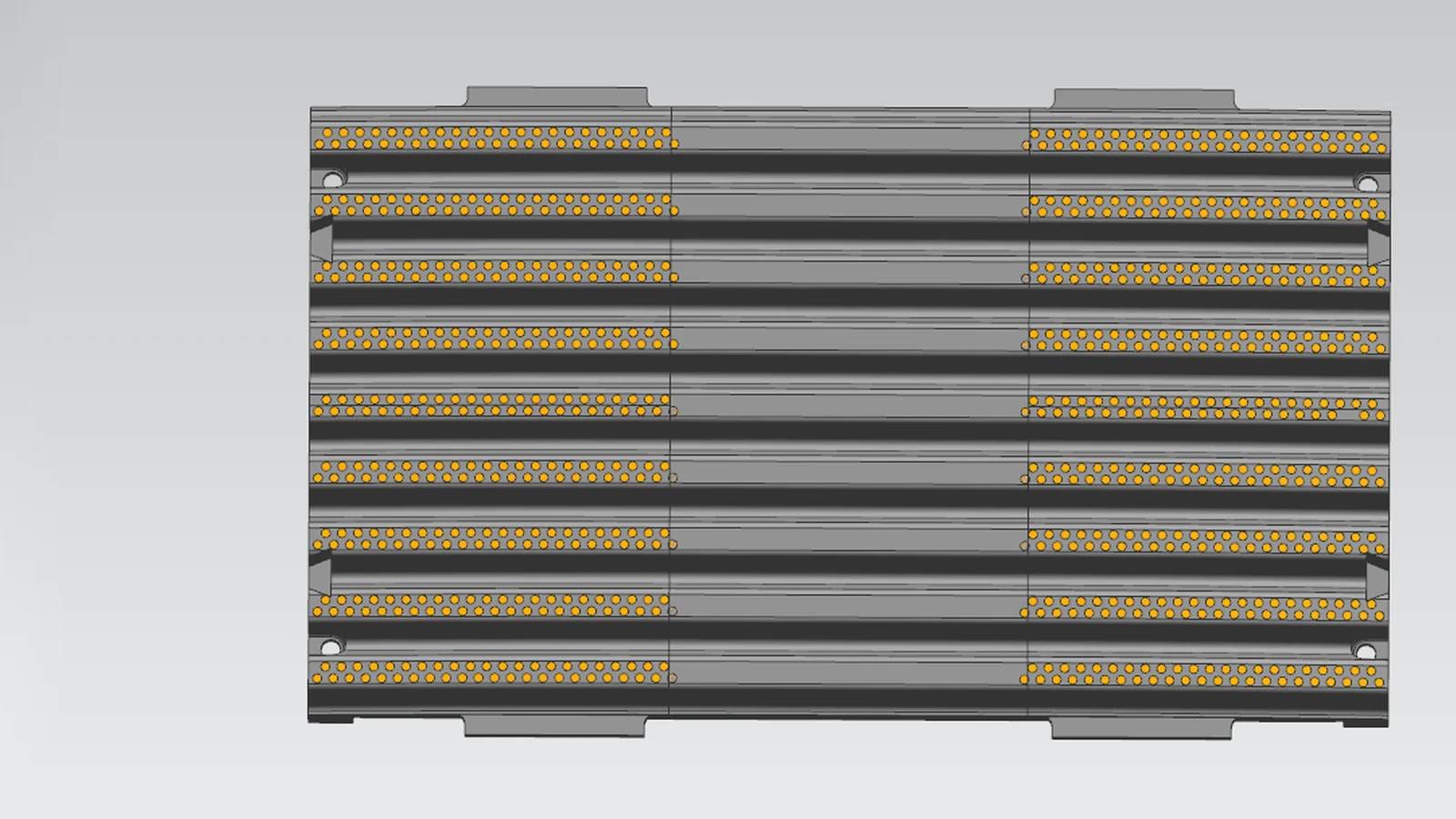
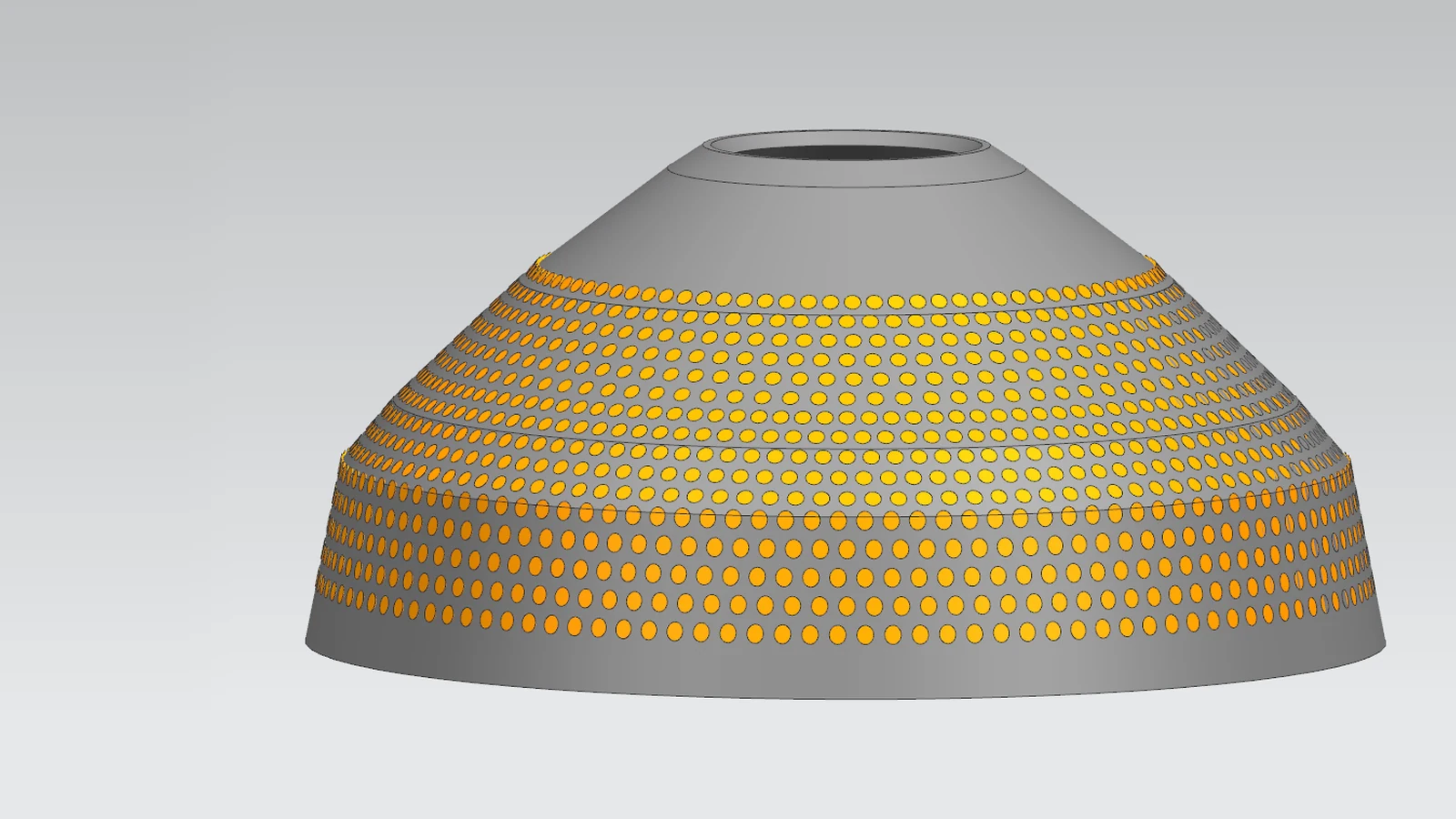
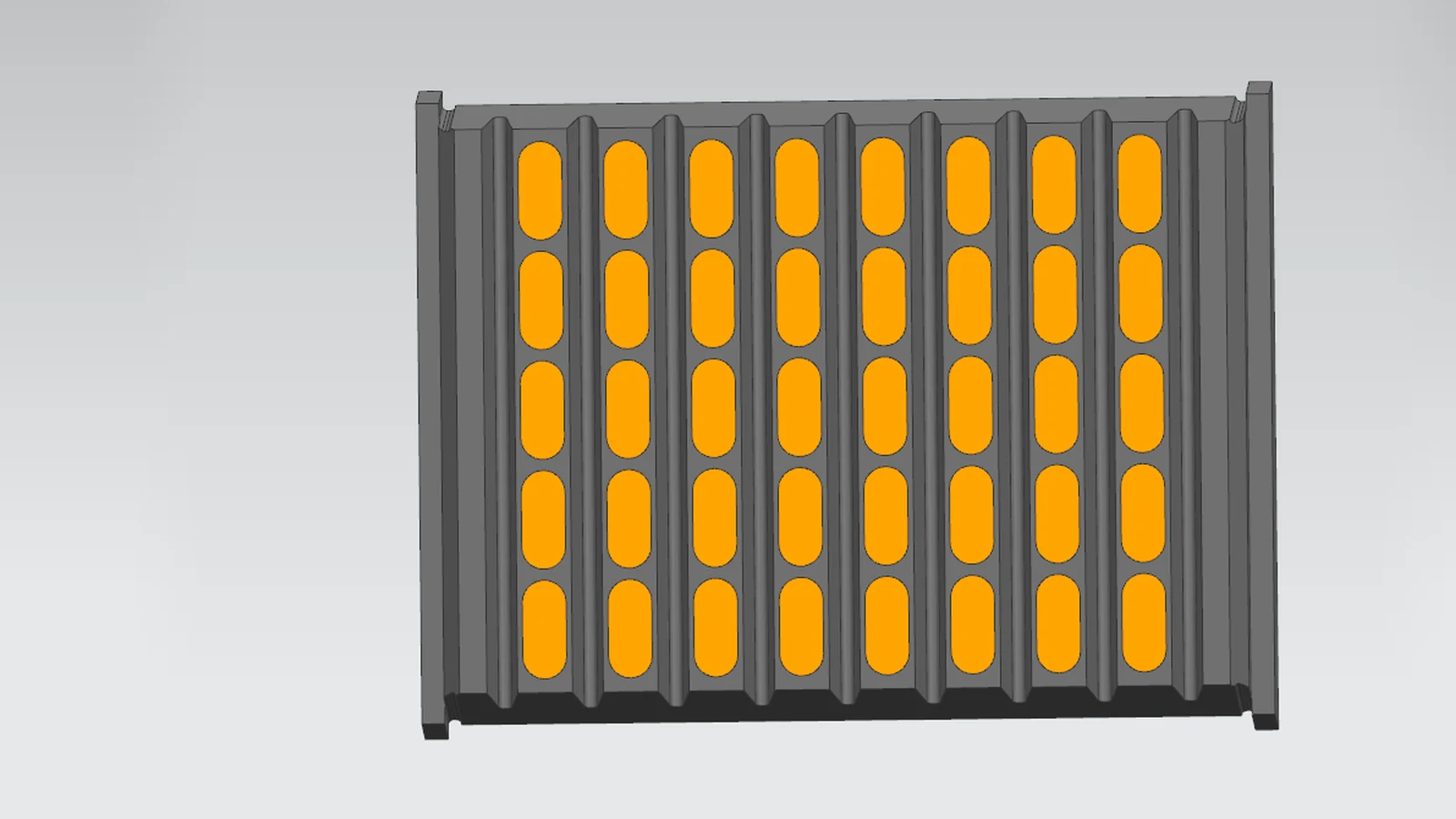
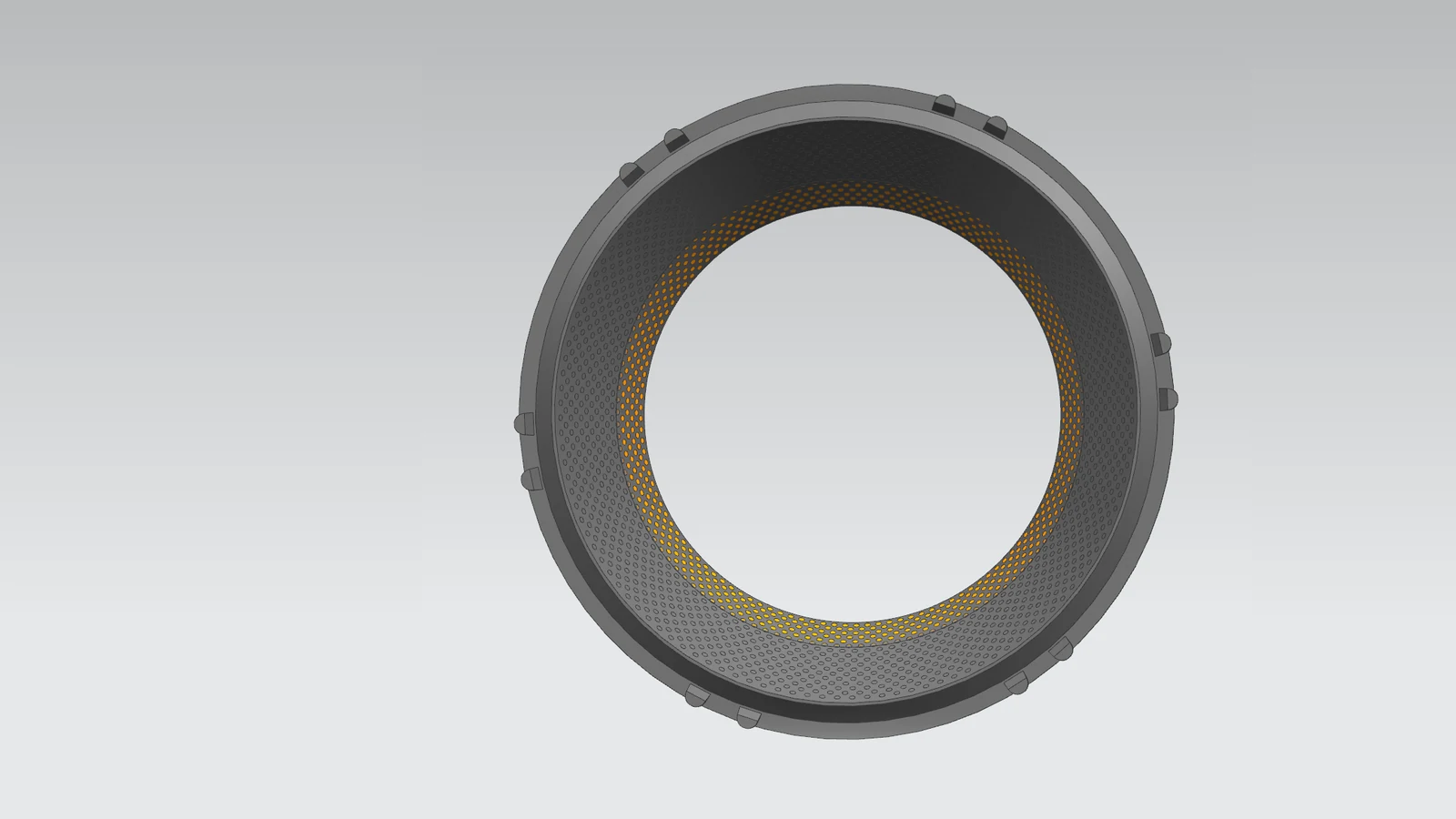
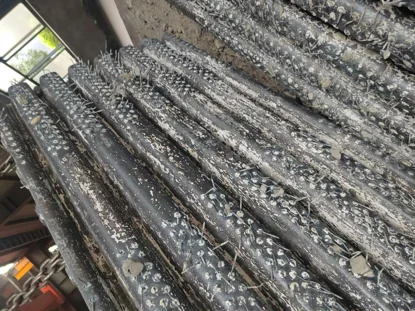
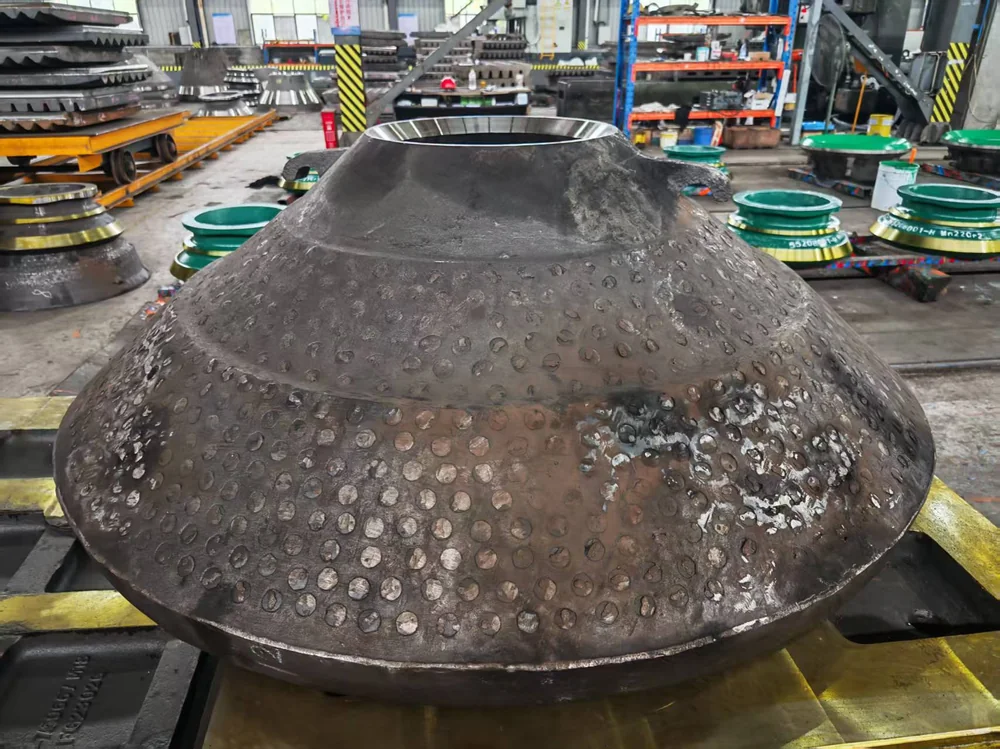
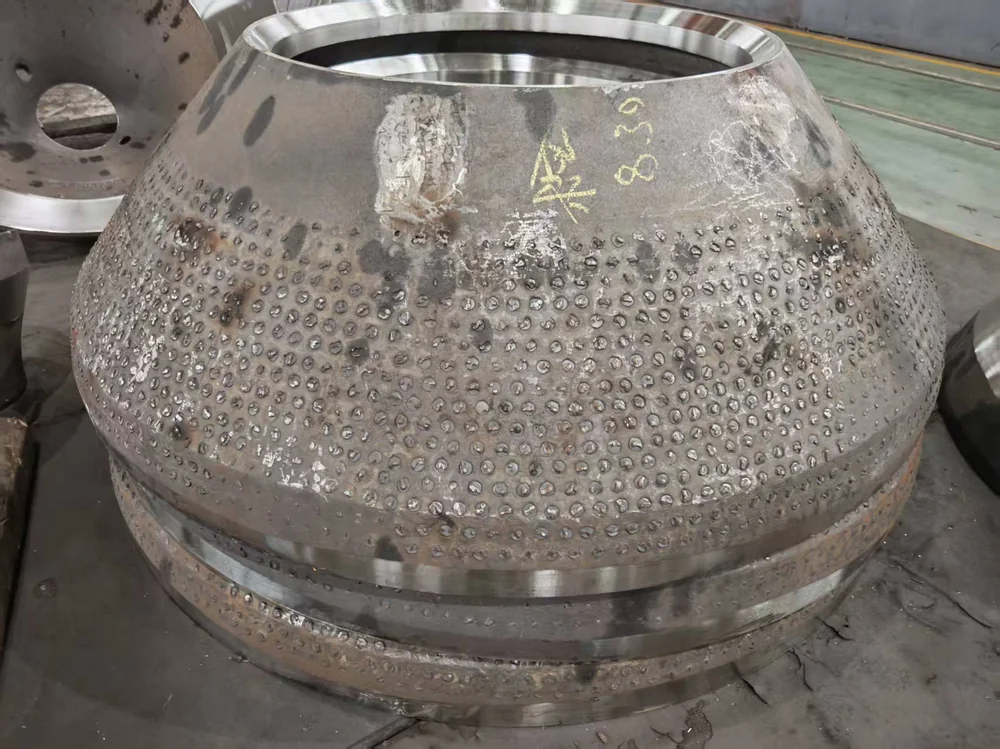
Bars are laid out to follow the wear pattern of each part. And because the bars come from our own plant, the bar itself costs little — so the layout can run far denser than a bought-in bar allows. Denser bars, more wear life.
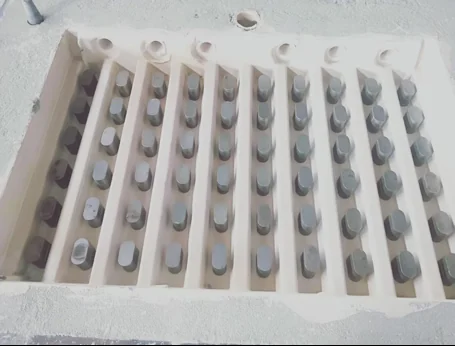
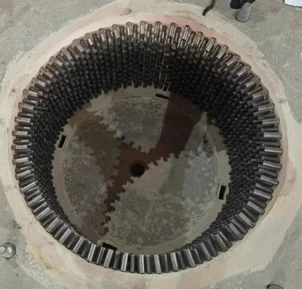
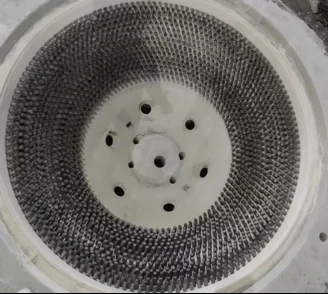
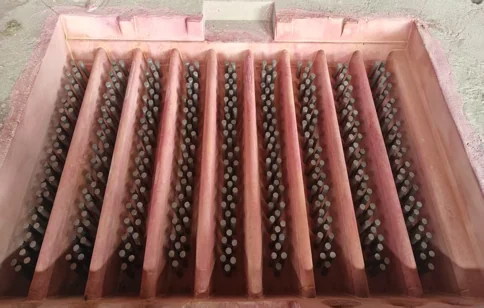
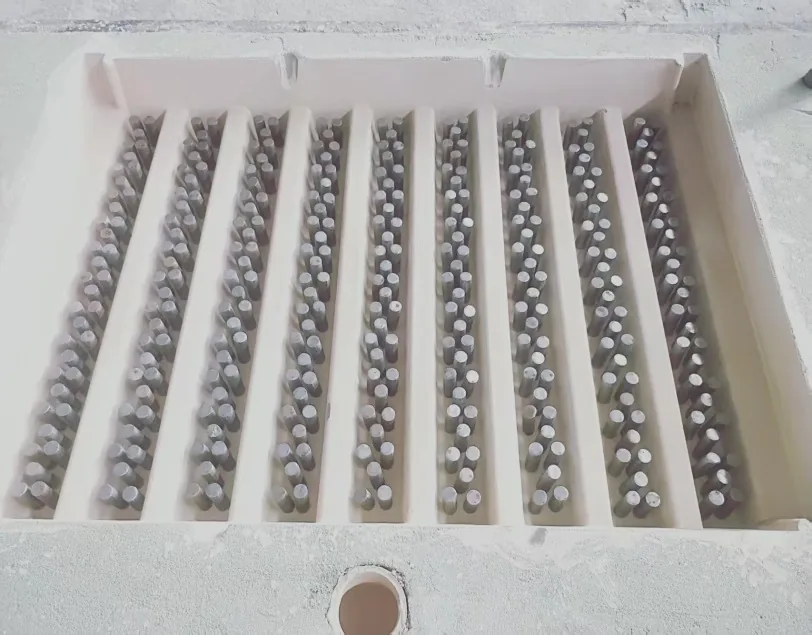
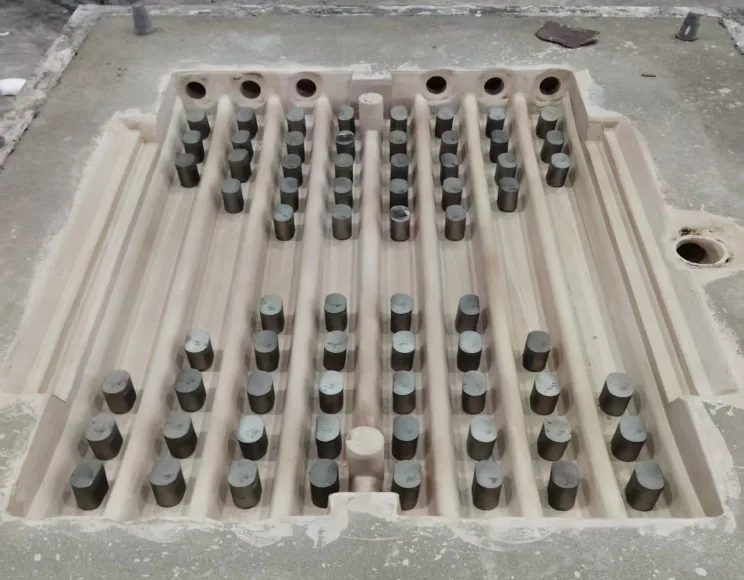
Cast with the bars, machined to print
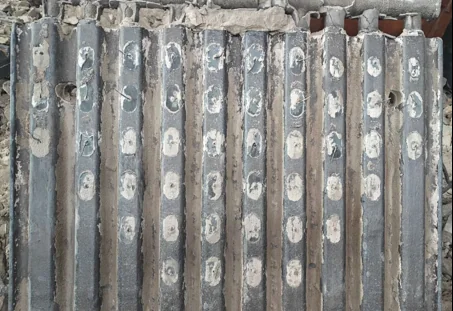
After casting, parts are machined to their fitting surfaces — the bar ends finish flush with the working face, so the part bolts straight in.
Customer cases
Three sites, three duty types — gold ore, iron ore and granite.
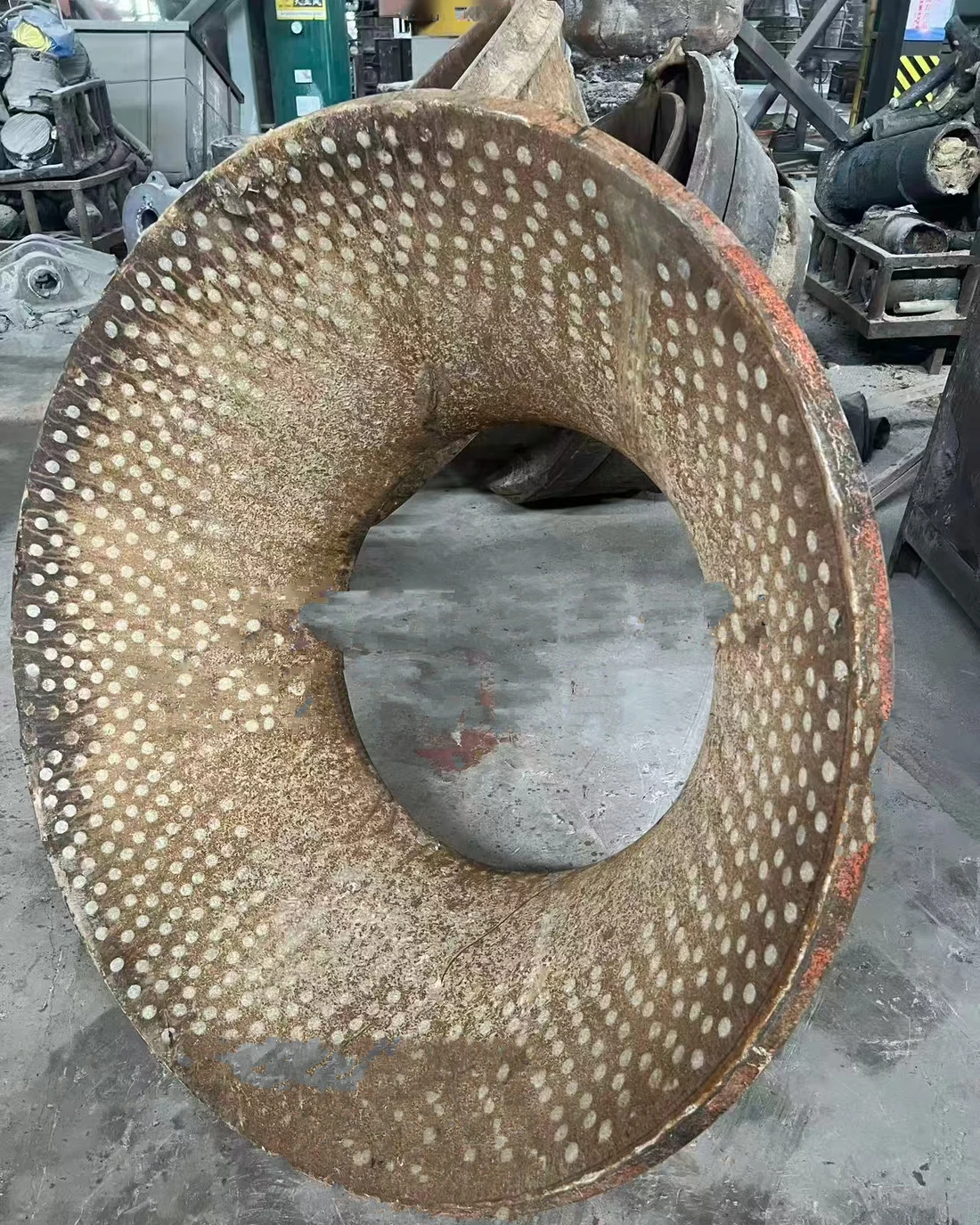
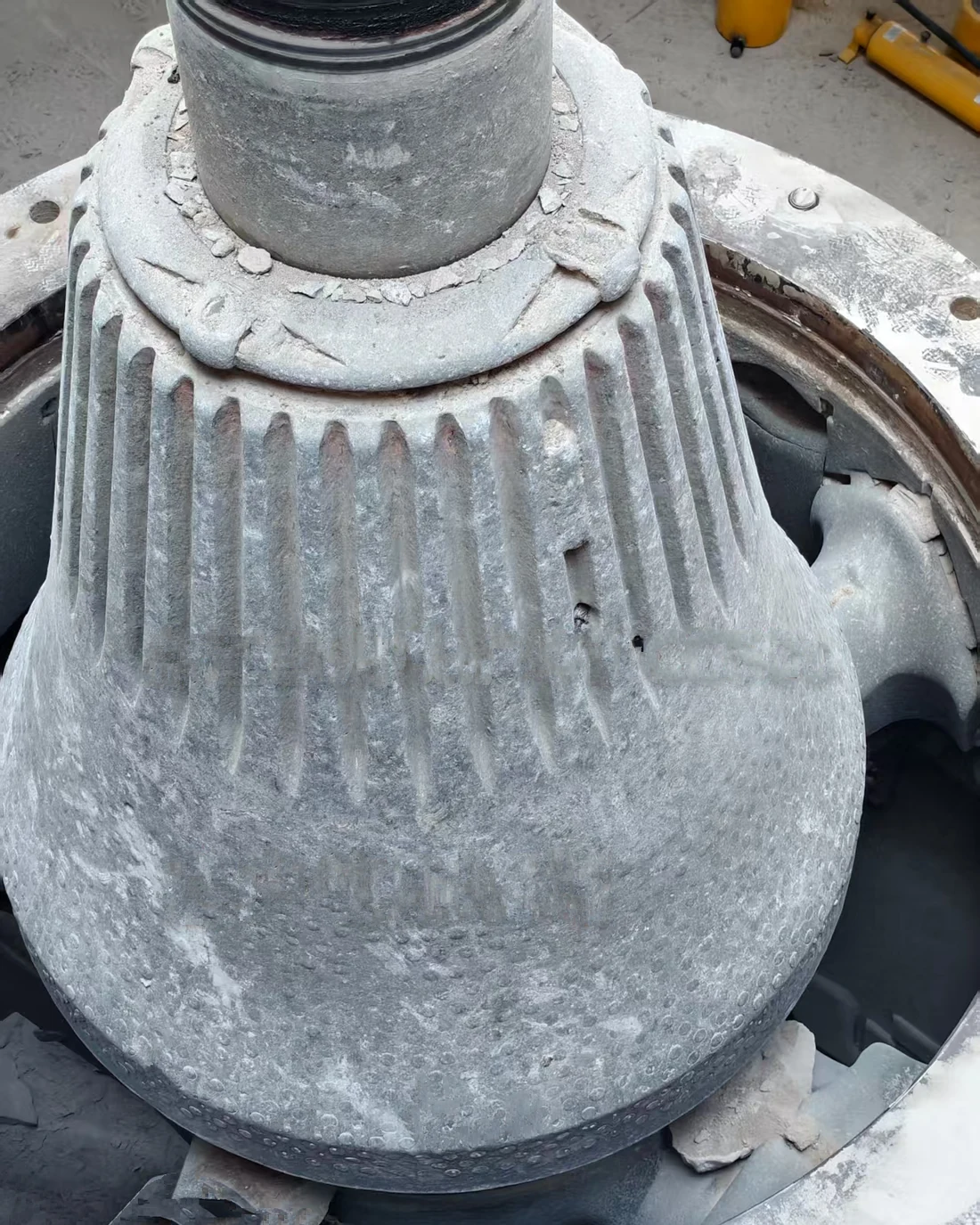
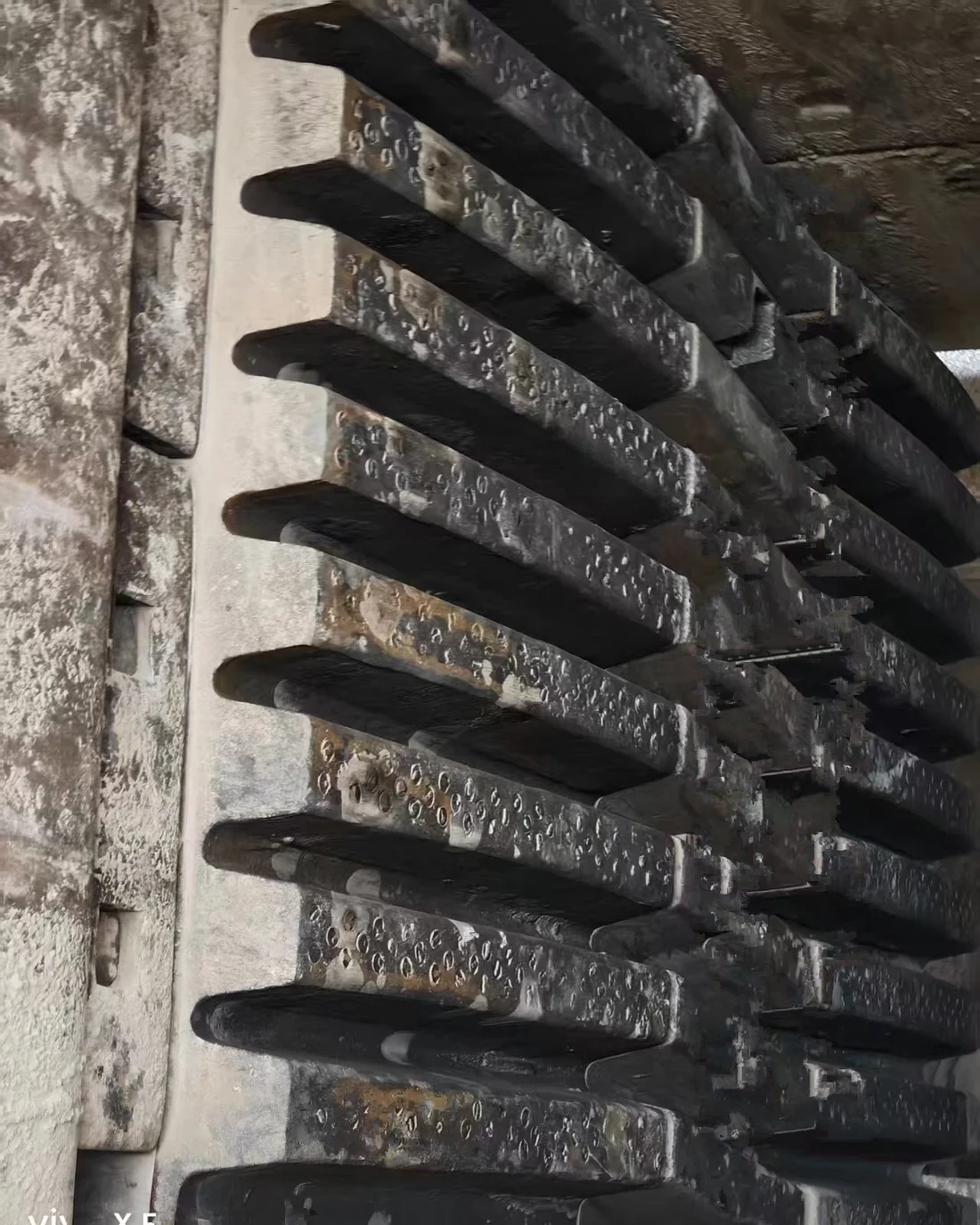
Site photographs supplied by the operating mines. Duty, feed size and campaign length differ by site; we document every trial so the comparison is your own, not ours.
Check the claims yourself
40 patent filings on this technology line — 5 granted invention patents, 10 granted utility models, 22 under examination. Certificates, test reports and plant audits available on request.
Frequently asked
| Will the wear bars pull out under impact? | They are cast in and metallurgically bonded to the matrix, then heat-treated together with the part. That is the specific failure mode this process is designed to avoid. |
|---|---|
| Will it fit my machine? | Yes. It is the same casting profile made from the same patterns. The bars are added inside the same mould, so fitment is unchanged. |
| How much longer will it last? | Field results for this class of composite typically run about 2× versus plain manganese steel in hard, high-silica ore. The exact gain depends on feed material and crusher type — we will quote a specific expectation for your site. |
| Is it more expensive? | Roughly 30–40% over a plain manganese part, against 100%+ more wear life. Measured per tonne crushed, it usually costs less. |
| Can I trial it on one crusher first? | Yes, and most sites do. Start with one chamber, and we will document the result the same way we document every trial. |